Loading basket...



Are CFL Lamps Being Phased Out in the UK?
Compact fluorescent lamps (also known as CFLs) were once one of the most common energy-efficient lighting options available in the UK. They had been introduced as a replacement for incandescent bulbs leading many households and businesses to introduce fluorescent technology into their lighting systems. It helped domestic and retail users alike to reduce their energy consumption and to lower their electricity costs. However, as LED technology is continuing to improve this is becoming an even better option than CFL lamps leading many countries to think about or have already made the decision to phase out CFL lamps.
CFL lighting is gradually being replaced by LED technology but they have not completely disappeared from the market. Many businesses have systems that are specifically tailored to use fluorescent lighting and some people may feel uncertain about moving over to LED lights. It is becoming more and more worthwhile to move over to LED lighting due to updated regulations on CFL lamps being produced and to further improve energy usage.
Why CFL Bulbs Became Popular in the UK
To understand why CFL lighting became popular it will be helpful to understand why they were a better alternative to incandescent lighting. Incandescent bulbs produce light by heating a filament until it glows. This produces warm light, but is largely inefficient due to a large proportion of the energy being used as heat instead of light.
CFL bulbs however, use a fluorescent tube that contains gas and a small amount of mercury vapour. When electricity passes through this tube, an ultraviolet light is made that interacts with the phosphor coating inside of the bulb and this generates visible light. Thanks to this process CFL bulbs use around 70–80% less electricity than traditional incandescent bulbs to produce the same amount of brightness. This reduction in electricity usage is what made them very popular across homes and businesses within the UK. This process mainly occurred between the late 2000s and the early 2010s.
UK Energy Efficiency Regulations
Another reason CFL bulbs became widespread in the UK was government legislation designed to improve energy efficiency. The UK followed European Union regulations that made the decision to gradually phase out inefficient incandescent light bulbs. This ruling was introduced to reduce electricity consumption and lower carbon emissions.
As incandescent bulbs began to disappear from shop shelves and became harder to find or purchase, this led to CFL lamps becoming one of the most widely available alternatives.
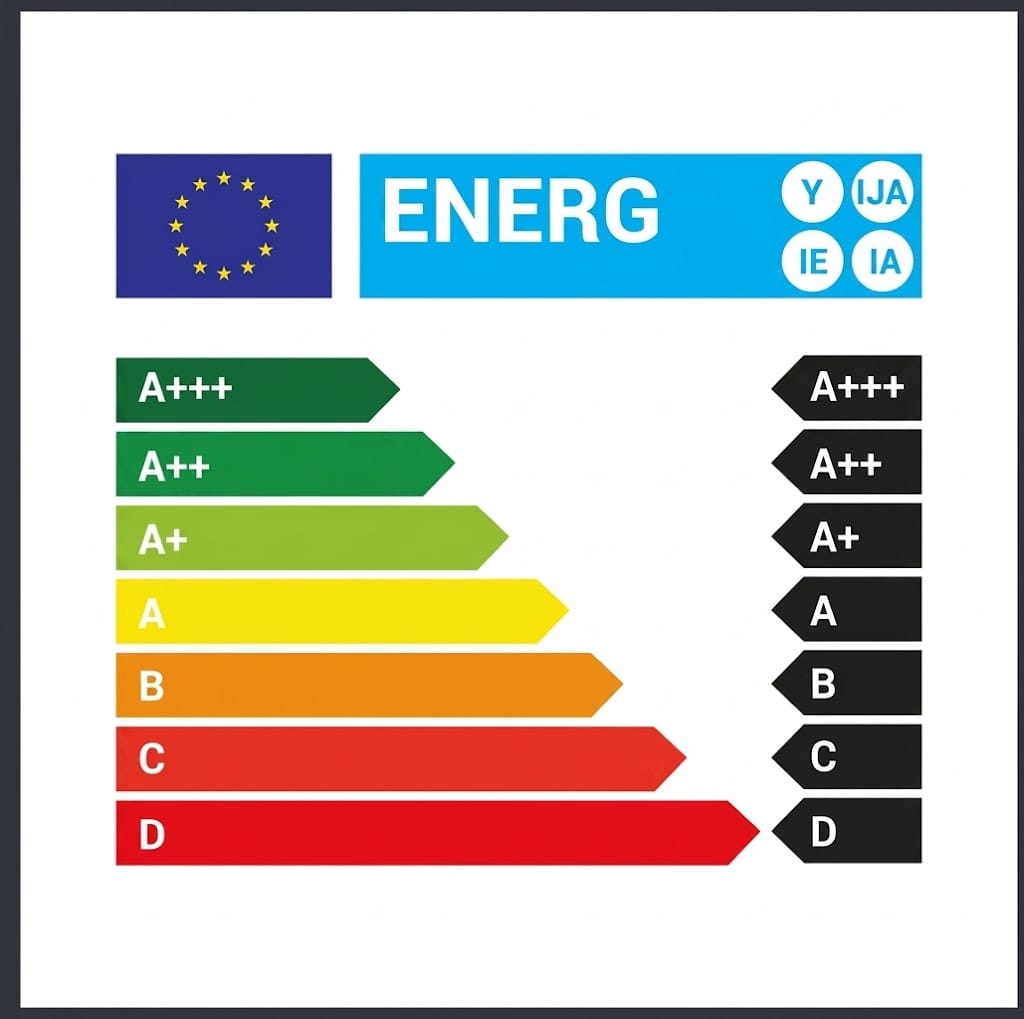
As lighting technology continued to evolve, LED lamps soon became an even more energy efficient option than CFL lamps. Because of this the UK made the decision to further update energy efficiency standards to favour LED lighting over both incandescent and CFL lamps. This has continued after the UK has left the EU as well meaning that a transition to LED lighting will continue to develop within the UK.
The Rise of LED Lighting in the UK
LED bulbs use light-emitting diodes rather than gas-filled tubes or filaments. This allows them to convert electricity into light far more efficiently than its predecessors.
Compared to CFL lamps, LED bulbs have : better colour rendering, greater durability, instant full brightness, a longer lifespan and higher energy efficiency.
A CFL bulb on average will last around 8,000 to 10,000 hours. But many LED bulbs can last between 15,000 to 25,000 hours or more. This leads to fewer replacements being needed over time which leads to a reduction of maintenance and waste.
Environmental Factors
Environmental concerns have also played a major role within the decline of CFL lighting. CFL bulbs contain a small amount of mercury, which is needed for them to light up. Although there is a very small amount of mercury in each lamp it means CFL lamps must be disposed of properly and that they should not be thrown away in normal household waste. In the UK, used CFL bulbs need to be recycled through appropriate recycling schemes or waste electrical recycling centres.
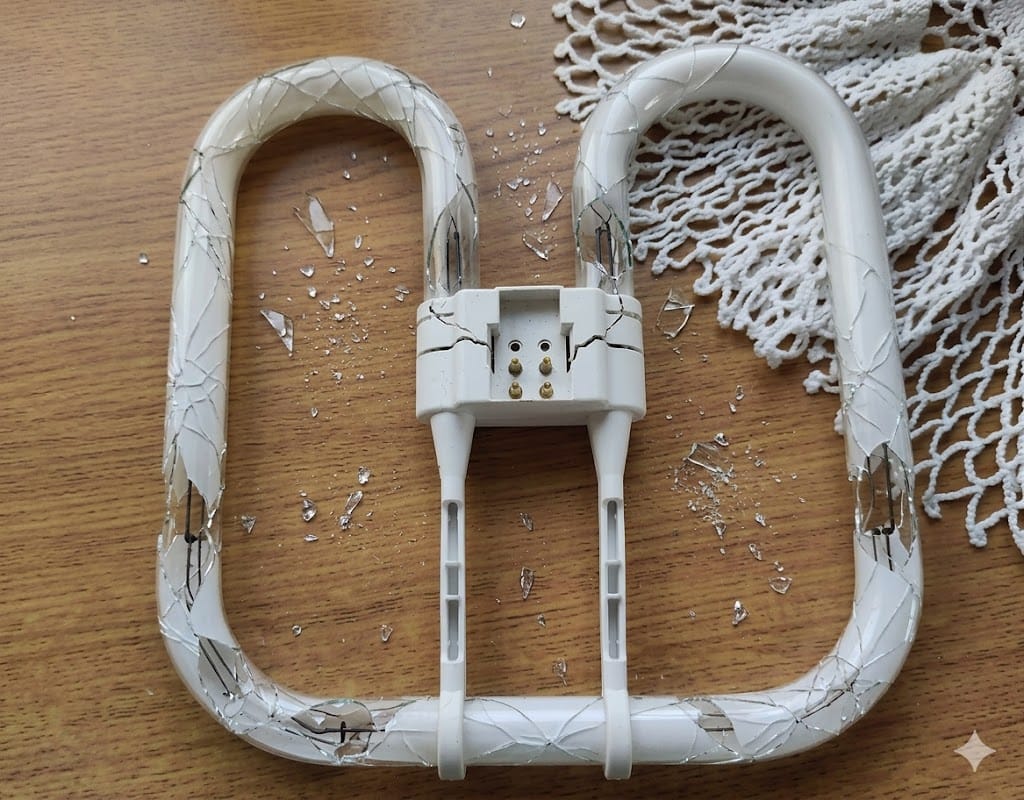
LED bulbs do not have any mercury in them and are therefore considered a more environmentally friendly option. As they also last longer, fewer LED bulbs need to be manufactured and disposed of over time. Each of these environmental benefits have encouraged the shift towards LED lighting across the UK.
Are CFL Bulbs Banned in the UK?
CFL bulbs are not currently completely banned in the UK. Updated energy efficiency regulations have led to LED lighting the preferred option for most applications.
Certain types of CFL bulbs are still available for sale, particularly those used in specialist fixtures and commercial lighting systems as LED alternatives have not been made for this type of light yet or have not been made mainstream within the lighting market. Many lighting suppliers continue to stock CFL replacements to support these existing installations.
This particularly refers to plug-in compact fluorescent lamps that are used within these specialist fittings. These include lamp types such as: PL-C lamps, PL-S lamps, PL-L lamps, PL-T lamps and 2D light bulbs.
LED Upgrades and Retrofits
Although CFL replacements still remain available, many businesses and property owners in the UK are gradually upgrading to LED lighting. This is because LED retrofit solutions allow older lighting fixtures to be converted to LED technology and this will lead to improved efficiency and reduced energy costs.
The Future of CFL Lighting in the UK
It is very likely that CFL lighting will continue to decline as LED technology becomes the dominant lighting solution. LEDs provide greater energy efficiency, longer lifespan and improved lighting performance compared with CFL lamps. LED alternatives are beginning to become more commonplace, even plug-in types of fluorescent lighting mentioned above.
It is unlikely however to be an immediate change as many buildings across the UK still use fixtures designed specifically for compact fluorescent lamps and for a little while replacement CFL bulbs will continue to be needed for maintenance purposes.
Conclusion
To conclude the answer is yes CFL lamps are being phased out within the UK. It is unlikely they will be completely banned in the near future but over time this will likely happen in the same way that incandescent bulbs are no longer allowed to be made within the UK. LED bulbs have become the clear more environmentally friendly and energy efficient option for lighting technology.
But, as CFL lamps are still widely used in certain commercial and specialist lighting systems, replacement CFL bulbs will still need to remain available to support these older lighting installations as businesses make the transition to change over from these lighting fixtures.
For new lighting installations, LED is now the preferred choice in the UK due to its energy efficiency and longer lifespan.
Created by Adonia Watt on 18th March, 2026
Author
| | Adonia WattI have worked as a customer service representative at BLT Direct since 2018. My skills and knowledge have continued to develop from this point leading me to making contributions on the website. |


Louise Graham
7th October 2026
Excellent customer service throughout and great products
Tammy Fernando
7th October 2026
Great service! Really supportive of all my questions in my journey to go from LED (bad for our health) to incandescent lighting. Thank you so much! Tammy