Loading basket...



Are LEDs Safe?
LED lights are generally safe to have around the environment. They're energy-efficient, they don't get as hot as the incandescent bulbs, also they don't contain toxins, such as mercury, that some of the fluorescent bulbs contain. But, again, like with a lot of new technology, there are a few things that it's useful to know how to do in order to be able to use them safely and conveniently around your environment.
Are LED Lights Good for Your Health?
Yes, to the general public. LEDs are safe for the average home, office, or otherwise. They emit no unhealthy UV light or radiation, and they emit much less heat than halogen or incandescent bulbs. But some LED lights—basically cool white or blue-colored LED lights emit more blue light.
Blue light is not harmful in itself, but long exposure to it, particularly in the evening, will exhaust your eyes, mess up your sleep rhythm, and make your body work twice as hard to digest melatonin (a sleep hormone). You will experience a headache, eye fatigue, or restlessness following painstaking working hours with the unforgiving white LEDs.
To balance this, include warm white LEDs (better known as 2700K to 3000K). They create a softer, more natural light that is less straining on your eyes and easier to use in the house.
Is It Safe to Use LED Light Every Day?
Actually, LEDs are designed to be used on a daily basis. They are stronger and lighter than the previous bulbs, so utilize them in the home, office, school, or even hospital environments. The secret is to discover the ratio of the type of light to the exposure time.
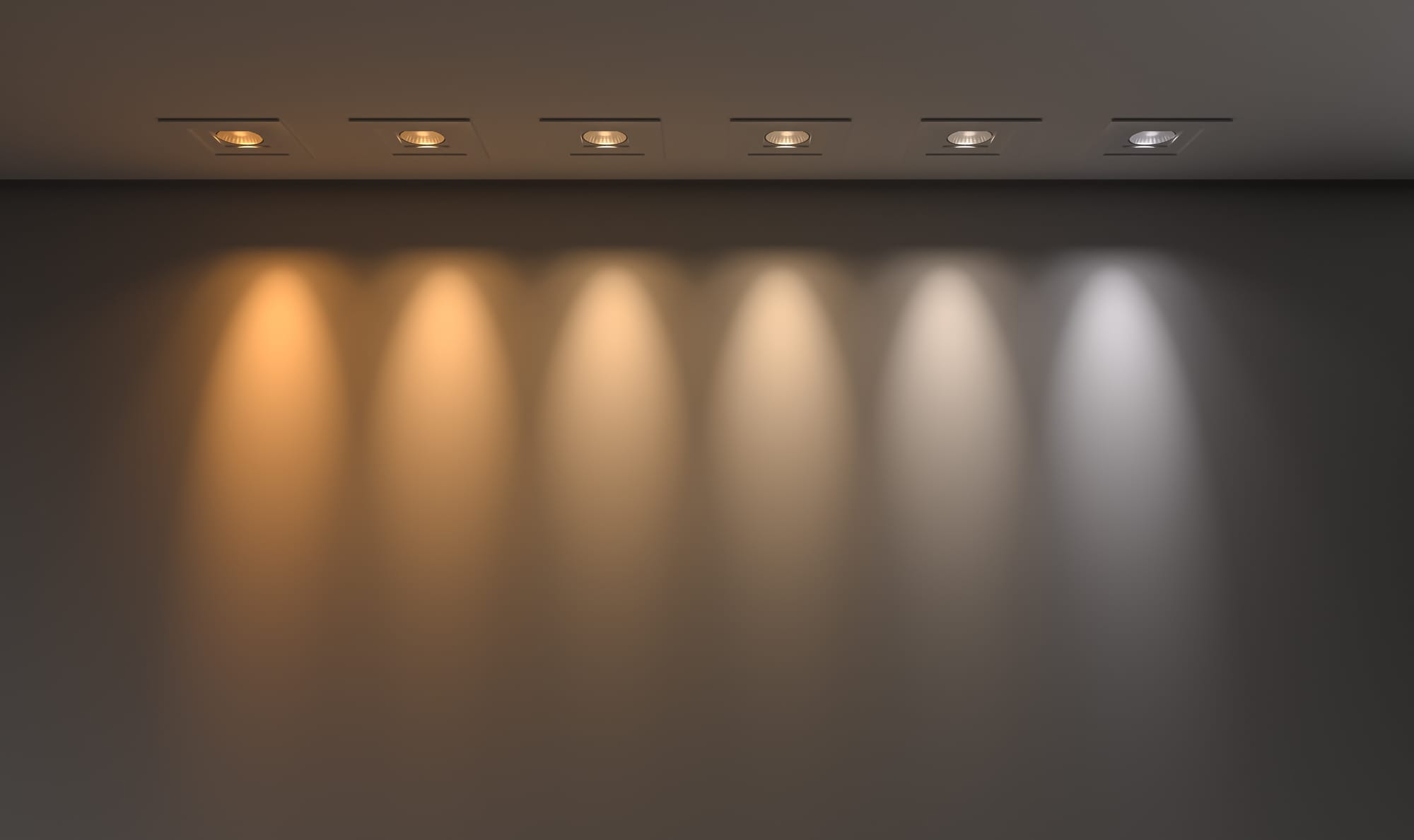
If you’re reading, working on screens, or spending hours under artificial light, aim for ambient lighting rather than direct glare. A mix of natural daylight and warm LEDs tends to feel most comfortable and natural for your body.
Is It Safe to Have LED Lights On All the Time?
Technically, it is. LEDs are designed to be used 24 hours a day, and they won't overheat. They emit most of the energy as light and not heat like incandescent lighting, so less energy is lost and less opportunity for a fire.
That said, if you’re leaving LEDs on 24/7, make sure they’re high-quality and properly installed. Cheaper, low-grade LEDs can degrade faster and may flicker or dim over time, which can cause minor electrical issues. Always check that your fixtures and wiring are rated for long-duration lighting.
Can LED Lights Be Left On 24/7?
Having LEDs on twenty-four hours a day is perfectly safe, and people turn to night lights, outdoor security lights, or business premises. LEDs are made to operate for tens of thousands of hours with good quality, so it is not a safety issue to have them on twenty-four hours a day.
But it is reasonable to switch off unused lamps. Not only will that conserve energy, but it will also extend your bulb's lifespan in general. However, if you actually do need your lamps on twenty-four hours a day, then utilize low-wattage warm LEDs, which are intended to be used continuously.
What Is the Probability of LED Lights Being Ignited?
Extremely low. LEDs are among the safest illumination technologies available. Since they operate at much cooler temperatures than incandescent or halogen bulbs, burnout and overheating are extremely unlikely.
The only real hazard is from more expensive cable or less expensive, untested LED devices. Less expensive adapters or less expensive drivers will short or burn out under worst-case circumstances. Buy CE, RoHS, or UL-rated LEDs from BLT Direct. Proper installation and fittings do make a difference.
Conclusion
LEDs are green, efficient, and safe, but of course, as with any technology, in moderation. Use warm white light at home, don't look at incensed bulbs, and purchase a reputable manufacturer. LEDs properly utilized can illuminate your world for decades with minimal risk.
Created by Vaibhav Gupta on 29th October, 2025
Author
| | Vaibhav Gupta
|


Roberts Brūveris
20th January 2026
Largest bulb collection I have ever seen and the website is great with lots of information to select the right bulb for your needs and easy to use. Prices are also good.
Roger Foster
19th January 2026
Great Product. reliable Service. Many Thanks