Loading basket...



Can I connect an LED strip directly to a 12V battery?
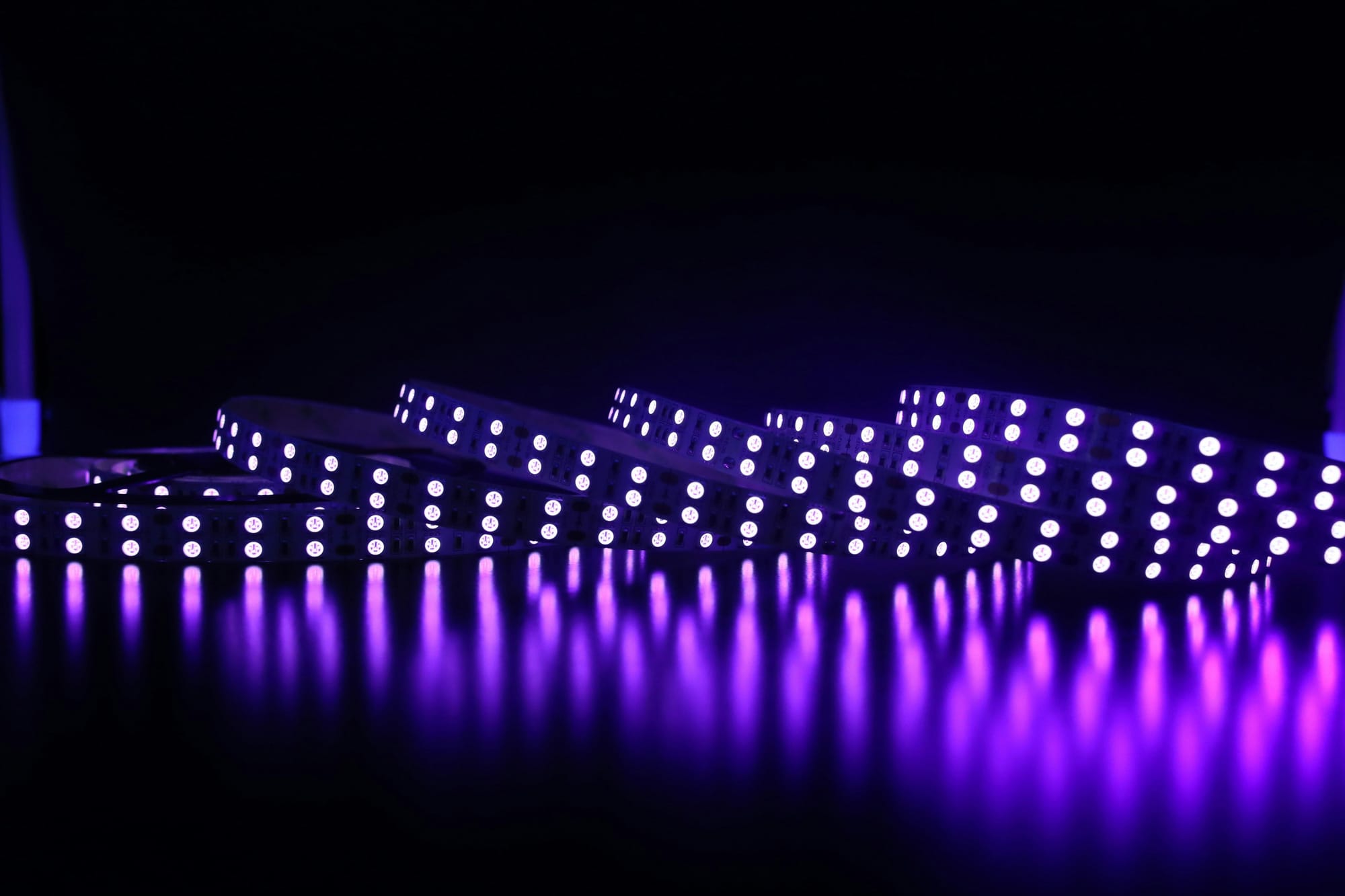
LED strip lights are one of the most versatile and trouble-free lighting options available. They are widely used to illuminate homes, vehicles, gardens, and decorative displays. They are energy efficient, flexible, and far easier to install than traditional lighting. One of the most common questions people ask, however, is whether you can power an LED strip with a 12V battery—and if so, how.
Short answer: yes, you can. But there are a few things you need to understand first. In this guide, we’ll explain how LED strips work, how to safely power them using a 12V battery, installation steps, and the most common mistakes to avoid. By the end, you’ll know when this method is suitable and when another power option is a better choice.
How Do LED Strips Work?
Before connecting an LED strip to a battery, it helps to understand the basics:
Voltage requirement: LED strips run on low DC voltage—typically 12V or 24V. The strip must be powered with the correct voltage. Using the wrong voltage will either destroy the strip or cause it to fail.
Watts and power consumption: LED strips consume power in watts per metre. For example, a 12V strip that uses 4.8W per metre will require 24W in total if you are using 5 metres.
DC power supply: LED strips run on DC (direct current), not AC. Most batteries—such as car, motorbike, or leisure batteries—supply DC power, which makes them suitable for use with LED strips.
In short: if you have a 12V LED strip and a 12V battery, they are voltage-compatible. The key is ensuring the strip does not demand more power than the battery can supply.
Can You Run a 12V LED Strip on a 12V Battery?
Yes. A 12V LED strip can be powered directly from a 12V battery. The battery provides the exact voltage the strip needs, which is why this method is popular for cars, boats, off-grid cabins, and camping setups.
However, just because it works doesn't mean you can simply connect it and forget it. Both batteries and LED strips have limits. Ignoring them can lead to dim lights, overheating wires, or a drained battery.
What to Check Before Connecting
Before powering a strip from a battery, make sure you understand these key points:
1. Battery Capacity
Battery capacity is measured in ampere-hours (Ah). This tells you how long the battery can supply power.
Example: A 12V 7Ah battery can provide 7 amps for 1 hour, or 1 amp for 7 hours.
If your LED strip draws 2 amps, that battery will power it for around 3.5 hours.
2. Strip Power Consumption
Calculate how much power your strip needs:
- 12V strip at 4.8W per metre
- 5 metres total → 24W
- Current draw = 24W ÷ 12V = 2A
3. Wire Gauge
Cheap or thin wires can overheat or cause voltage drop. Short, low-power runs are fine with standard low-voltage wire, but longer or high-current setups need thicker cable.
4. Heat Control
LED strips generate heat, especially at higher wattage. Mount them on a surface that can dissipate heat (e.g., aluminium channels) to increase lifespan and maintain brightness.
How to Connect a 12V LED Strip to a 12V Battery
- Identify the terminals – Both the strip and the battery will have + (positive) and – (negative) markings.
- Match the polarity – Connect + to + and – to –. Reversing polarity may damage the strip.
- Use proper connectors – Twisting wires works temporarily, but soldering or using crimp connectors is more reliable.
- Add a fuse or switch – A fuse on the positive lead protects against shorts. A switch makes it easier to turn the strip on and off.
- Test the setup – Once connected correctly, the strip should light up immediately.
This method works well for simple, portable, or temporary lighting.
Common Mistakes to Avoid
- Using the wrong voltage: A 24V strip will not work on a 12V battery. A 5V strip will burn out if powered with 12V. Always match voltage.
- Overloading the battery: Long strips may draw more current than the battery can supply, causing overheating or short battery life.
- Skipping protection: Without a fuse, a short circuit can destroy both the strip and the battery.
- Draining the battery completely: Lead-acid batteries (car, leisure, etc.) should not be fully discharged—they will become damaged.
Alternatives and Best Practice
- Use a voltage regulator or controller – Helps stabilise power and control brightness.
- Use rechargeable lithium battery packs – Lighter, safer, and more efficient than car batteries for portable use.
- Use a mains power supply – For fixed indoor use, a plug-in 12V power adapter is safer and maintenance-free.
Safety Tips
- Always check polarity before connecting.
- Prevent shorts by keeping exposed wires insulated.
- Do not run high-power strips from a battery permanently.
- Use waterproof strips and sealed battery enclosures outdoors.
- Charge batteries with the correct charger for the battery type.
Final Thoughts
Running a 12V LED strip from a 12V battery is simple and effective for cars, boats, off-grid setups, and camping. The key is knowing your strip’s power requirements, your battery capacity, and how to connect everything safely.
For long-term or professional use, adding fuses, controllers, or regulated power supplies will improve performance and protect your equipment.
If you’re planning your own setup, BLT Direct offers a range of 12V LED strips, drivers, connectors, and accessories to help you build a reliable and efficient lighting system.
Created by Vaibhav Gupta on 16th October, 2025
Author
| | Vaibhav Gupta
|


IAN LINDSAY
11th May 2026
Excellant experiance, quick delivery. Appreciated the personal contact with valued advice, very much appreciated. I would use again.
Helen Zavros
11th May 2026
I was unsure which bulb to purchase and after calling for assistance the seller gave me some advice and was extremely helpful thanks again