Loading basket...



Can I connect LED strip directly to a 12v battery?
Yes you can and it is most often the intended power source to power up the LED strip. There are some precautions and considerations that will need to be taken when doing this and will discuss this below.
Key Considerations
1. Voltage Compatibility: The LED strip will need to be rated for 12V DC. You will not be able to use a driver that is rated for any other voltage as this will not work with a 12V LED strip. A fully charged battery can sometimes measure close to 12.6-12.8V but standard LED strips will be designed to accept this slight fluctuation.

2. Current Draw and Battery Life: In order to calculate how long your battery will power your LED strip you will need to know the strip’s length; density and the strip’s current total draw and the battery’s amp-hour. To give an example:- A 10Ah battery powering a LED strip that draws 1.0A would hypothetically last for around 10 hours. It is recommended that lead-acid batteries are run at 50% capacity so if you are using this type you should half this time.

3. Polarity: To connect your LED strip to a battery you will need to make sure that the positive terminal of the LED strip is connected to the positive terminal of the battery. This will be the same for the negative terminals on the battery and the LED strip. If you reverse the polarity the strip will not work and it can damage the LED strip as well.
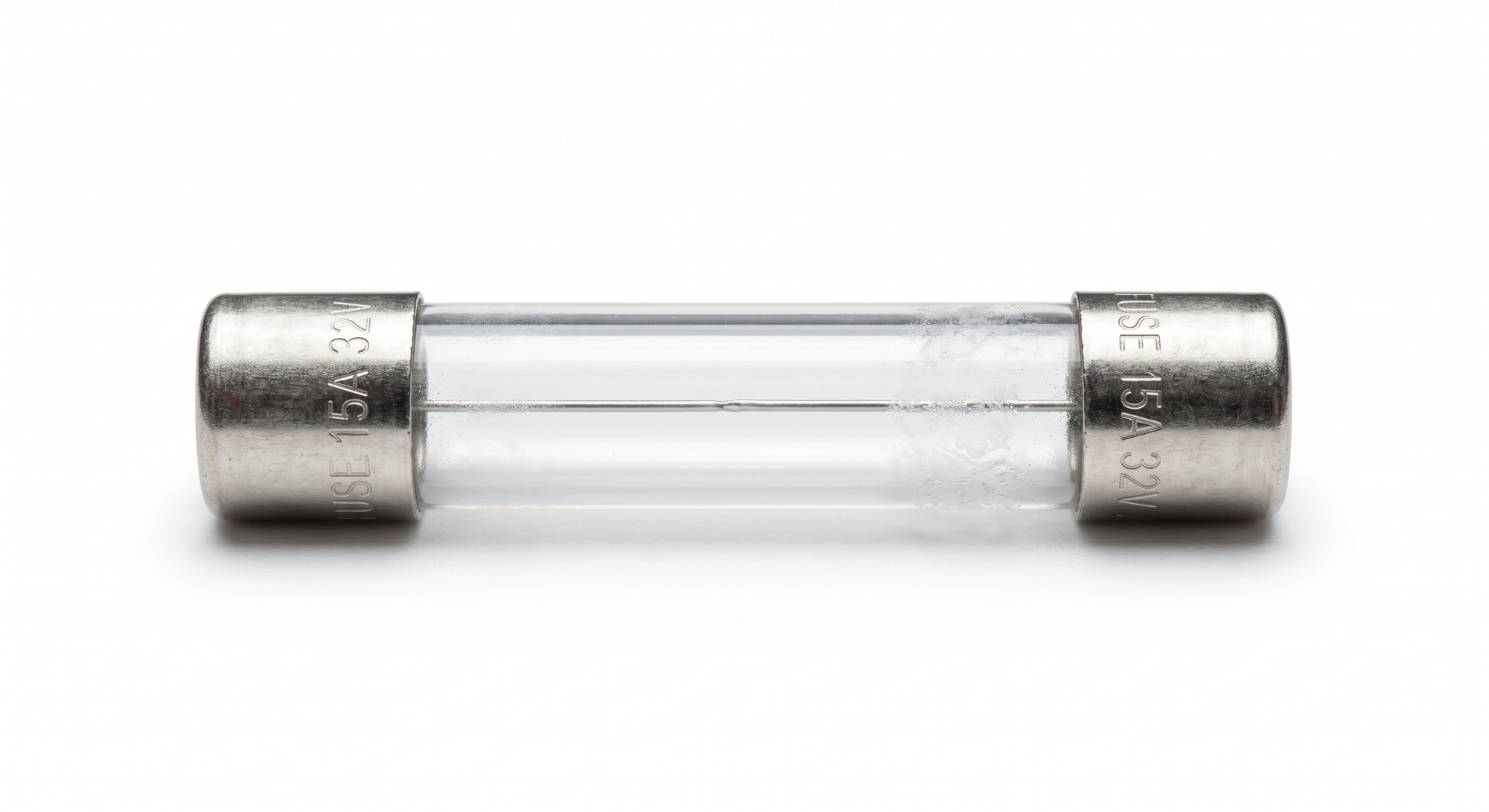
4. Fuses and Circuit Protection: We would strongly recommend that you use an appropriately sized in-line fuse between the positive battery terminal and the LED strip. This will help to protect the wiring and the strip from damage due to a short circuit or overcurrent. You should choose a fuse that is one level higher than the LED strip. If the strip is 3A for example you should use a fuse that is 5A.

Do I need a resistor or a voltage regulator?
No, this is not needed for standard 12V DC LED strips. 12V LED strips are made with current limiting resistors that are already integrated into their circuit board meaning that they can immediately connect to a stable source of 12V of electricity. You also should not need a voltage regulator as the LED strip can handle minor fluctuations and you should not be using anything other than a 12V battery to power it.
What about controllers and dimmers?
If you wish to control the brightness or color (for RGB/RGBW strips) then you will need a LED controller and dimmer. These will need to be installed between the fuse and the LED strip. You should also make sure that the controller maximum current rating is greater than the strip’s total current draw.
Created by Adonia Watt on 25th February, 2026
Author
| | Adonia WattI have worked as a customer service representative at BLT Direct since 2018. My skills and knowledge have continued to develop from this point leading me to making contributions on the website. |


Louise Graham
7th October 2026
Excellent customer service throughout and great products
Tammy Fernando
7th October 2026
Great service! Really supportive of all my questions in my journey to go from LED (bad for our health) to incandescent lighting. Thank you so much! Tammy