Loading basket...



Can I swap my Compact Fluorescent Bulb for a higher/lower wattage?
The question many people raise is whether it’s right to use Compact Fluorescent Lamps (CFLs) with a different wattage than the one they already have. Maybe your old bulb feels too dim, or you’re simply trying to save on electricity. The simple answer is yes — you can change the wattage - but within limits. To do it safely, you need to understand what wattage means and how it affects your lighting setup.
Let’s go through each of the common questions one by one.
Can I use a lower-wattage fluorescent bulb?
Yes, it is completely safe to use a lower-wattage fluorescent bulb. A bulb that consumes less power will not damage your fixture in any way. The only difference you’ll notice is in brightness - the light will be dimmer. For example, replacing a 20-watt CFL with a 10-watt one will make the light softer but cause no harm.
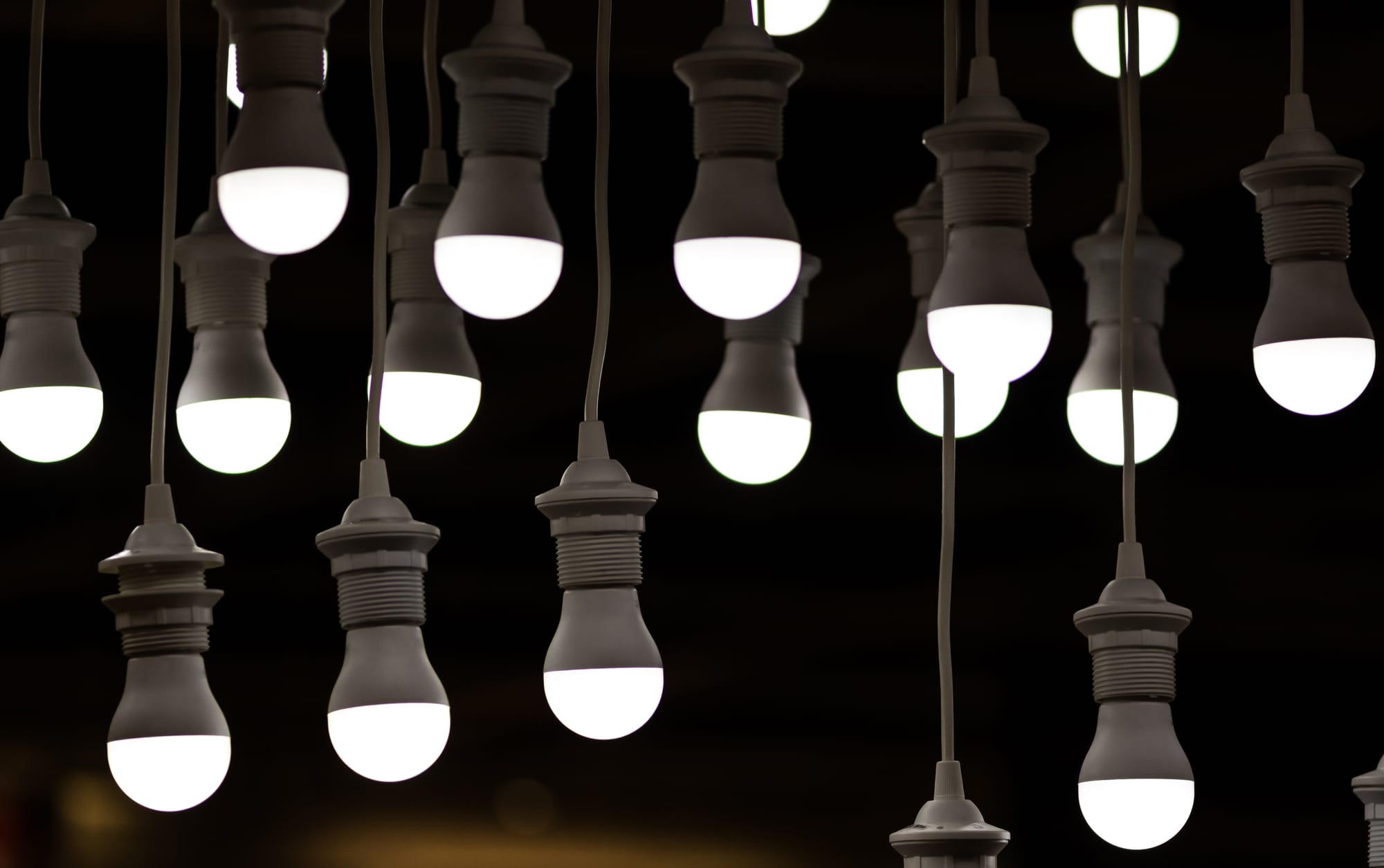
Using a lower-wattage bulb can actually be beneficial in certain areas. For hallways, bedrooms, or decorative lamps, a softer glow can make the space feel more comfortable and calm. However, in places like the kitchen, study table, or workspace, you may need stronger lighting.
You can safely use a lower-wattage bulb as long as the bulb’s base type and voltage match your fixture. Remember, your light fixture only limits the maximum wattage it can handle - not the minimum. So using a bulb that draws less power is always safe.
Can I replace a 34-watt fluorescent bulb with a 32 watt fluorescent bulb?
Yes, you can. This is one of the most common and perfectly safe replacements. The difference between a 34-watt and 32-watt fluorescent tube is very small — you’ll hardly notice any change in brightness. In fact, 32-watt tubes have become the standard in most modern energy-efficient lighting systems.
The main thing to check is the ballast — the component that controls the current in your fluorescent fixture. Most modern electronic ballasts are designed to work with both 32W and 34W lamps. If you’re using an older magnetic ballast, you might notice a slight flicker or delayed start, but it won’t damage the bulb or the fixture.
You’ll also save a little energy with the 32-watt option while maintaining nearly the same light output. It’s a simple and effective way to improve energy efficiency without sacrificing brightness.
Can you replace a bulb with a lower-wattage bulb?
Absolutely. You can always replace a bulb with one of lower wattage. A bulb that consumes less electricity won’t overload the fixture — it will just produce less light.
Here’s an easy rule: if your lamp says Maximum 60W, you can safely use 40W, 25W, or even 15W bulbs. What you must never do is exceed the maximum rating. Using a bulb that draws more power than the fixture allows can cause overheating, damage to wiring, or even a fire hazard.
It’s also worth noting that CFLs are far more energy-efficient than traditional incandescent bulbs. For example, a 15-watt CFL produces roughly the same brightness as a 60-watt incandescent bulb. So, switching to a “lower wattage” CFL doesn’t necessarily mean you’ll get less light — it simply means you’ll get the same brightness while using less electricity.
What happens if you use a lower wattage bulb than recommended?
That depends on your needs. Higher-wattage bulbs produce more light, which is great for larger or task-oriented spaces. But you must always ensure the bulb’s wattage does not exceed your fixture’s limit. Using a higher-watt bulb than what your lamp is rated for can create excess heat, melt components, or reduce the lifespan of your fixture.
Lower-wattage bulbs are better suited for areas where you want to save energy or create a softer, cozy atmosphere. They also tend to last longer since they produce less heat.
However, wattage alone doesn’t determine brightness. The true measure of light output is lumens. A 10W CFL may produce around 600 lumens, while a 20W CFL may give around 1200 lumens. So, when you’re looking for a brighter bulb, focus on the lumens rather than just the wattage.
In short, neither higher nor lower wattage is universally better — it depends entirely on the purpose of the space and your lighting preference.
Can I put a 100W bulb in a 75W fixture?
This question often confuses people because of how LED bulbs are labeled. A “100W LED equivalent” doesn’t mean the bulb actually uses 100 watts of power. It simply means the LED provides brightness similar to a 100-watt incandescent bulb — but it typically consumes only around 15 to 20 watts.
That’s why it’s completely safe to use a “100W equivalent” LED in a fixture rated for 75 watts. The LED’s actual energy consumption is well below the fixture’s limit. LEDs are highly energy-efficient, produce very little heat, and won’t overload your socket.
If you were using an actual 100-watt incandescent or halogen bulb in a 75-watt fixture, that would be unsafe. The extra heat could damage the wiring or even cause a fire. But LEDs solve that issue by offering the same brightness with much lower power consumption and heat output.
In other words, you get the brightness of a 100-watt bulb without the risks that come with traditional lighting.
Bottom Line
You can replace your Compact Fluorescent Bulb with a higher or lower wattage, as long as you respect your fixture’s maximum watt rating. Using lower wattage bulbs is always safe — they’ll just give you softer light. Using higher wattage bulbs is fine, too, but only if the fixture is rated to handle it.
If you’re looking to upgrade your setup, consider switching to LED bulbs. LEDs are more efficient, last longer, and stay cooler while providing the same or even better brightness compared to older CFLs or fluorescents.
You can explore energy-saving lighting options here: Compact Fluorescent Bulbs at BLT Direct.
To sum up:
- Lower wattage = Safe and energy-efficient, but less bright.
- Higher wattage = Brighter, but check your fixture’s limit.
- LED alternatives = Same brightness, less power, and minimal heat.
By understanding wattage, lumens, and fixture limits, you can choose the right bulb confidently — one that matches your space, lighting style, and energy goals.
Created by Vaibhav Gupta on 30th October, 2025
Author
| | Vaibhav Gupta
|


IAN LINDSAY
11th May 2026
Excellant experiance, quick delivery. Appreciated the personal contact with valued advice, very much appreciated. I would use again.
Helen Zavros
11th May 2026
I was unsure which bulb to purchase and after calling for assistance the seller gave me some advice and was extremely helpful thanks again