Loading basket...



Do You Need an LED Profile with an LED Strip
Although not required in all cases, if you want a professional finish to your LED strip lights and improve the lifespan, then utilizing an LED profile (also referred to as an aluminium channel or profile) is recommended. In some cases, you may be able to install the LED strip without it, but the benefits listed below discuss this further.
An LED profile improves the installation in three ways:
1. It is a heat sink, taking heat away from the LEDs.
2. It guards the strip from dust, damp, and damage.
3. It diffuses the light, giving you an even, professional glow rather than individual LED dots.
So, although not always required, it generally improves performance and durability.
Considerations when installing LED Strip Lights?
LED strips are flexible and energy-efficient, but here are a few things to watch out for:
1. Heat Control: Low-quality strips or incorrect installation lead to overheating, decreasing lifespan.
2. Adhesive Breakdown: Adhesive backing becomes weak, particularly in humid or dusty environments.
3. Consistency of Colour: Cheap-quality LEDs appear with variable light output or colour shift over time.
4. Power Lag: End dimming within a strip can be caused by long runs lacking poor wiring.
5. Installation Quality: Poor fixing without a profile gives an unfinished and unsafe appearance.
A well-constructed profile addresses most issues by enhancing cooling, structure, and appearance.
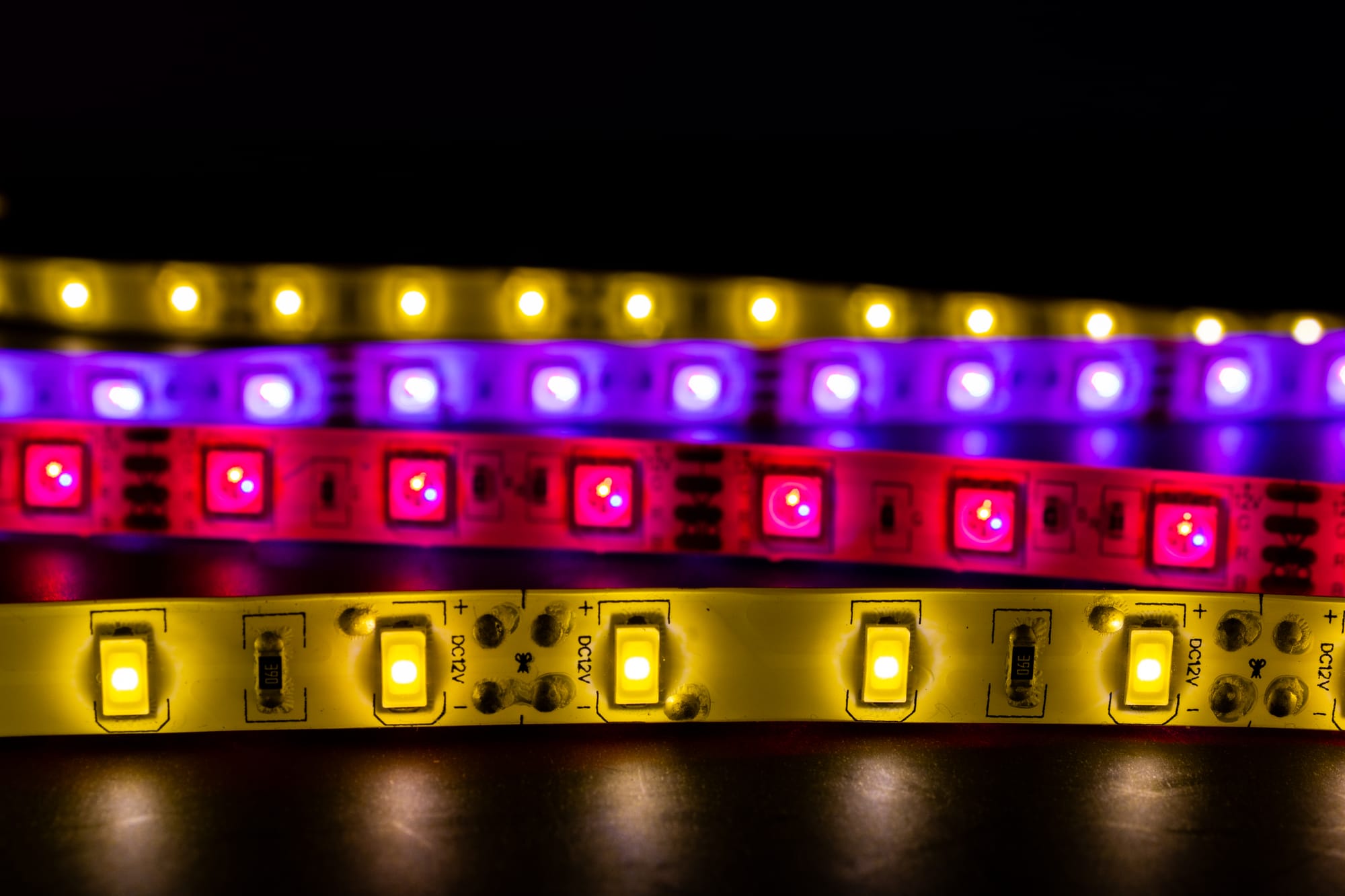
What Are Typical Mistakes when installing LED Strip Lighting?
The following are typical installation mistakes when installing LED strips:
Missing the Profile: Results in mechanical damage to the LED strip.
Length of Runs: Exceeding the maximum length of the LED Strip results in a voltage drop, flickering, loss of brightness, or total failure.
Defective Soldering or Cutting: Flickering light or complete failure because of faulty joints.
What Does an LED Profile Do?
Heat Dispersion: The aluminium case is a passive cooler, lengthening the life of the LED.
Light Diffusion: Converts harsh LED spotlights into a gentle glow.
Protection: Keeps dust off of it, and protects it from damage.
Design Enhancement: Gives your lighting a smooth, finished appearance.
Whatever it is, be it cove lighting, a display case, or under-cabinet lighting, a profile makes an ordinary strip look like a professional fixture.
What are the Chances of LED Lights Failing?
Very low—but only if installed correctly. Use Higher-quality LED strips and drivers and install them in the correct size profile.
Be on the lookout for the following:
1. Install non-branded or low-quality LED Drivers
- Exceeding maximum run lengths
3. Broken connections or insulation, particularly in IP-rated environments.
Use branded materials, make use of aluminium profiles for cooling and protection, ensure the wattage of the driver matches to wattage of the strip. If installed, your LED strip will give you a hassle-free experience.
Created by Vaibhav Gupta on 27th October, 2025
Author
| | Vaibhav Gupta
|


Mark Delaney
18th February 2026
Just awesome service. Super fast and well packaged delivery. Great communication throughout process. And additionally, I forgot to purchase 2 extra items in my original order resulting in extra delivery charges had I not just emailed to ask - and they were so helpful and generous and helped me out! Will be sure to recommend and re-order. Thanks again.
Diana
8th February 2026
Easy to navigate site, with very wide range of products for both professional and non-professional.