Loading basket...



How long do LED light strips last?
LED light strips are among the most in-demand lighting options for consumers, businesses, and hobbyists. They are energy-efficient, flexible, and available in a wide range of colours and brightness levels. One of the first questions people usually ask is: How long do they last? Understanding the lifespan of LED strip lights helps you design your lighting system and plan for replacements.
In this guide, we’ll explore the average lifespan of LED strip lights, the factors that affect them, signs of wear, and practical tips to extend their durability.
What Determines the Lifespan of LED Strip Lights?
Several factors influence how long your LED strips will function effectively:
- Quality of LEDs
The most important factor is the quality of the LED components. High-quality strips use premium diodes and circuitry that stay brighter and colour-accurate for longer. Lower-quality strips may look similar at first, but they typically fade or fail sooner due to inferior parts. - LED Strip Type
LED strips are classified by their SMD (surface-mounted diode) type—such as 3528, 5050, or 5630. These numbers refer to the chip size in millimeters. Larger or more advanced chips usually produce more light and may last longer, though lifespan still depends heavily on design and manufacturing quality. - Usage and Working Hours
LED strips have a fixed lifespan measured in hours of use. The more hours they are operated each day, the sooner that lifespan will be reached. For example, running LED strips continuously will cause them to reach their overall service life faster than using them only a few hours a day. - Quality of Power Supply
LED strips require a stable, properly matched power supply. Using the wrong voltage or a poor-quality driver can cause overheating, voltage drops, and premature failure. Investing in a reliable power supply is essential. - Environmental Conditions
Exposure to dust, moisture, heat, or humidity can damage LED strips. Indoor strips generally last longer than those installed outdoors or in harsh environments. For outdoor use, always choose strips with an appropriate IP rating for water and dust resistance.
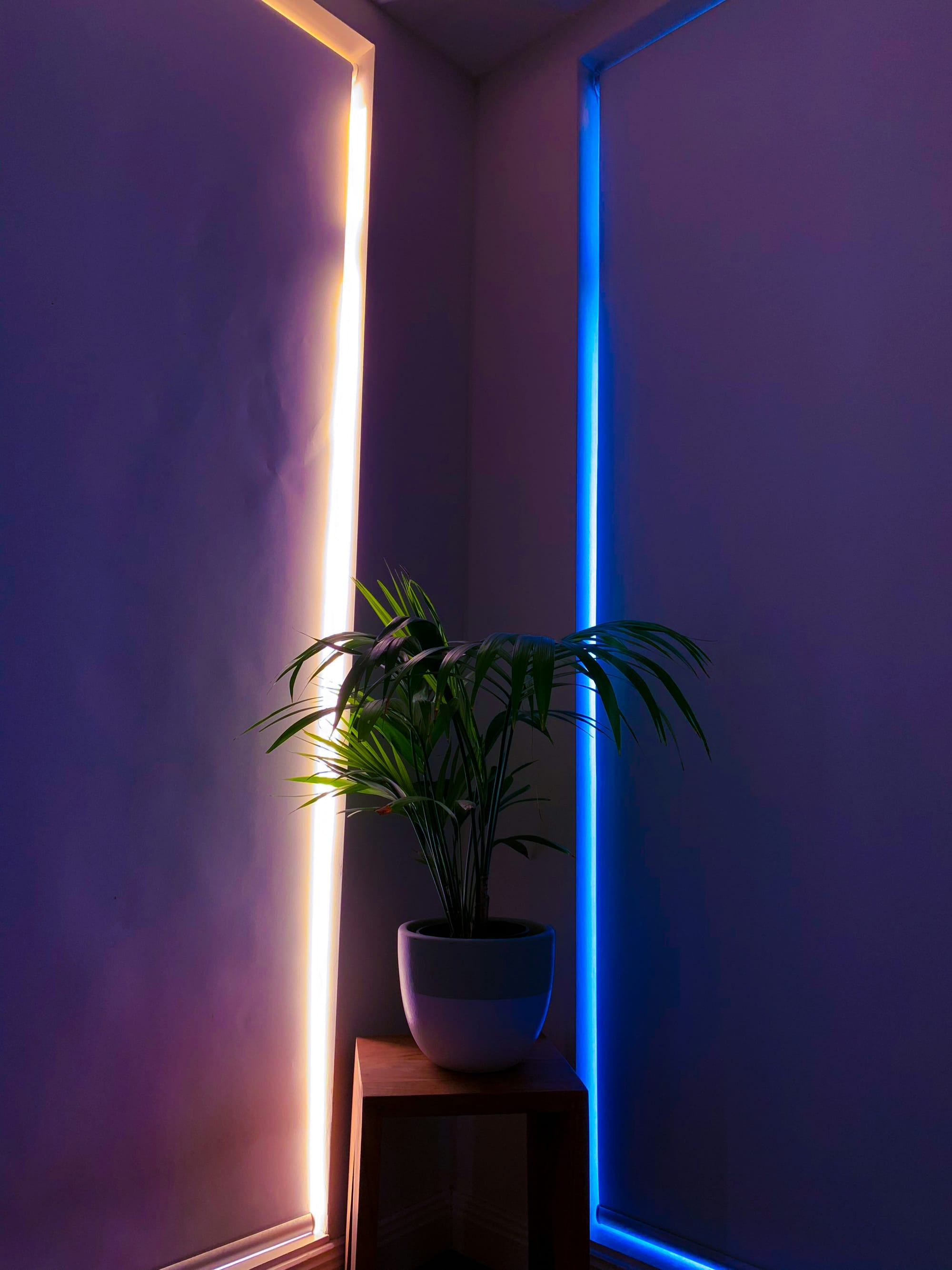
Average Lifespan of LED Strip Lights
LED strips average a lifespan of 25,000-50,000 hours. But what does that mean in real terms?
8 hours of daily usage: The 25,000-hour life strip would last approximately 8.5 years.
12 hours of daily usage: The same strip would last approximately 5.7 years.
24/7 usage: Continuous use would decrease its useful lifetime to approximately 2.8 years.
Outdoor or high-heat environments may reduce lifespan, while well-maintained indoor strips can reach the upper end of the 50,000-hour range.
Signs Your LED Strips Are At the End of Their Lifespan
Like any electronic product, LED strips eventually wear out. Common signs include:
- Fading or Flickering Light: The light becomes increasingly weaker and weaker, or the strip starts to flicker.
- Partial Failure: Sections of the strip stop working while others remain lit.
- Physical Damage: Burn marks, cracking, or discoloration of the strip may indicate overheating.
Tips to Extend the Life of Your LED Strip Lights
The good news is that with proper installation and maintenance, the life of your LED strips can be extended.
Here's how:
- Use a Quality Power Supply/Driver
Match the voltage and wattage correctly. A stable, constant power source prevents flickering and burnout. - Prevent Overheating
Heat is the enemy of electronics. Use aluminium channels or heat-dissipating mounts—especially for high-brightness or long runs of LED strips. - Cleaning Regularly
Dust and dirt may insulate the strip, holding in the heat. Clean your LED strips softly with a cloth to prevent build-up. - Careful Installation and Handling
Avoid sharp bends, twisting, or stretching. Follow the manufacturer’s installation instructions to protect the diodes and solder points. - Dimming or Time Control Usage
Reducing brightness or limiting hours of use can significantly increase lifespan and lower energy costs.
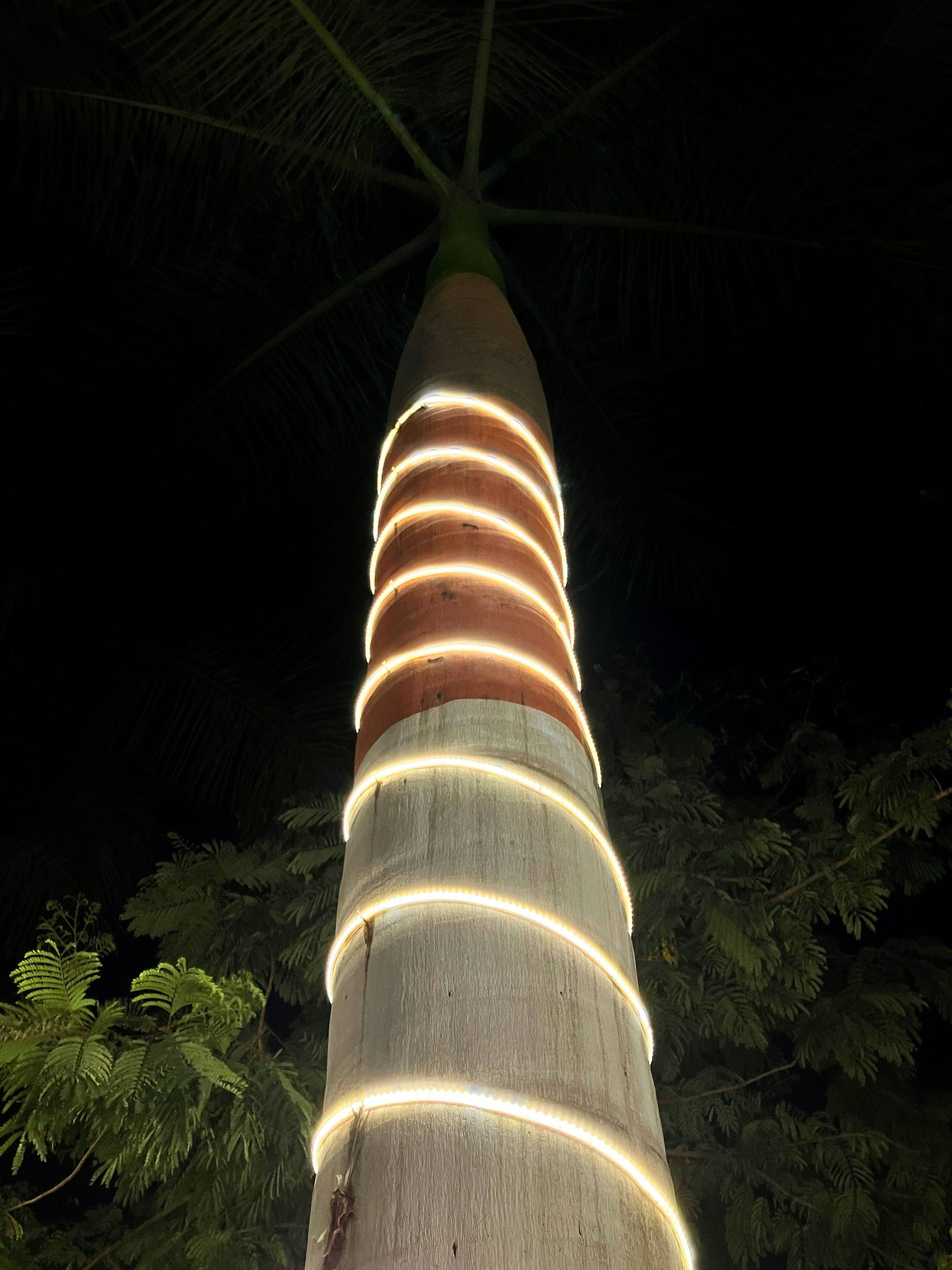
Indoor vs Outdoor LED Strips: Durability Differences
Indoor (IP20) strips are protected from most external elements. Outdoor strips (IP65/IP67/IP68), however, must withstand rain, sunlight, and temperature changes.
Common IP ratings:
IP20: Indoor use only, not water resistant.
IP65: Water resistant, good for showers or light rain.
IP67/IP68: Water resistant, suitable for underwater or harsh environments.
Choose the right rating based on your installation environment to avoid premature failure.
Maintenance and Its Effect on Lifespan
Even high-quality LED strips can fail early if poorly maintained. Regular checks can prevent damage and extend performance:
- Inspect and tighten loose connections.
- Look for signs of overheating or colour change.
- Replace failing drivers or connectors early.
When to Replace LED Strip Lights
It’s time to replace your LED strips when:
- Multiple sections have failed and cannot be repaired.
- Brightness or colour consistency has significantly degraded.
- Newer LED models offer much better efficiency or features.
Conclusion
LED light strips are flexible, energy-efficient, and long-lasting—but their true lifespan depends on quality, environment, installation, and maintenance. Most strips last 25,000 to 50,000 hours, and taking steps to protect them from heat, power issues, and moisture can greatly extend their usability.
Created by Vaibhav Gupta on 14th October, 2025
Author
| | Vaibhav Gupta
|


Mark Delaney
18th February 2026
Just awesome service. Super fast and well packaged delivery. Great communication throughout process. And additionally, I forgot to purchase 2 extra items in my original order resulting in extra delivery charges had I not just emailed to ask - and they were so helpful and generous and helped me out! Will be sure to recommend and re-order. Thanks again.
Diana
8th February 2026
Easy to navigate site, with very wide range of products for both professional and non-professional.