Loading basket...



Is the COB LED Strip Waterproof?
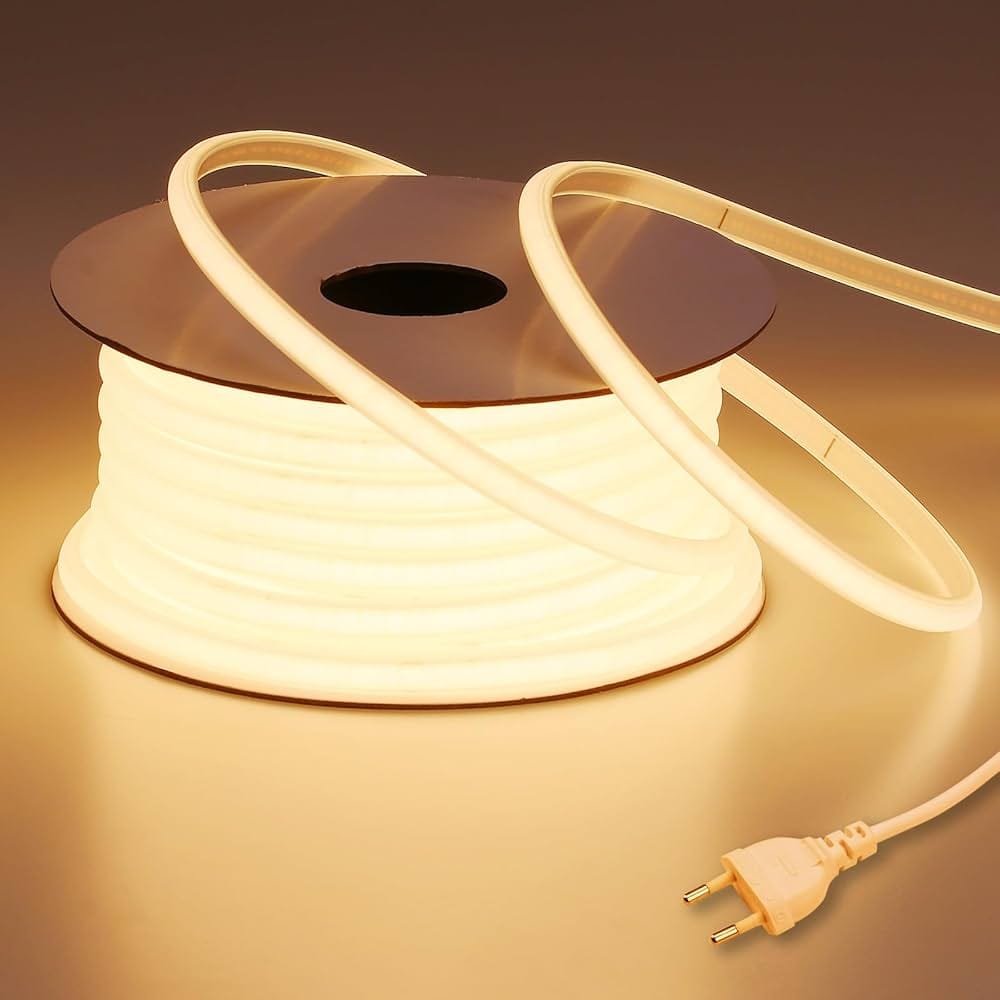
Not all COB LED strips are waterproof. It depends on the the IP rating of the product. Many COB (Chip on Board) strips are designed for indoor use and come without any protective coating. These work perfectly for standard domestic or commercial use such as under cabinets, ceiling lighting, or accent lighting. However, if you’re installing them outdoors or in damp areas like bathrooms or kitchens, you’ll need waterproof versions.
Waterproof COB LED strips also have an epoxy or silicone overcoat applied to seal the chips, such that neither water or dust can penetrate the product. Their design have the IP (Ingress Protection) rating, IP65 is splash-proof to light jets of water, IP67 or IP68 versions are able to be submersed in water for a period of time.
Are COB LED Strips Waterproof as a Standard Feature?
No, COB strip lights are not all waterproof. Standard IP20 rated strips are for indoor use only. If you need to use them outdoors, you have two choices: buy a waterproof profile or purchase and IP67 or IP68 rated product.
What Are the Drawbacks of COB LED Strips?
COB LED strips have no real drawbacks, they have a good light output, improved colour uniformity, and concealed LED dots.
Hazards:
Heat build-up: Since the LEDs are so tightly packed, the COB strips do run at a slightly higher temperature, so its important to allow air flow around the product of install them in a LED profile that acts as heatshrink.
More difficult to repair: If the strip is damaged, it may be more difficult to repair or replace than regular SMD LED strips.
Price: It's premium product, so COB strips can be slightly more exspensive.
COB LED Strips Life Span
A good COB LED strip has a lifespan of 30,000 to 50,000 hours. That is 5 to 10 years if you use them for only a few hours a day.
Life span will depend on three things: heat regulation, voltage stability, and environment. Overheating power supplies or low power supplies will decrease life . Aluminium heat sinks or channels will improve longevity by providing temperature control and mechanical protection.
What's Better: COB or LED
It just depends on where you are using the strip. COB LEDs produce a flat, even light with no dots visible, ideal for task lighting, decoration and where the product is visible. SMD LEDs are ideal where the strip is concealed.
Short answer: Apply COB if you prefer a high quality light source and if you prefer sleek finish. You'll have to resort to regular LED strips if budget or or where the light source is not visible.
How Waterproof is an LED Strip
Silicone tube or sleeve: When making up lengths of Waterproof led strip after soldering ensure that you use Silicone-seal ends to maintain IP rating.
Seal the contacts: The power entry area is most vulnerable. Water-resistant connectors or heat-shrink tubes seal contacts.
COB LED strips can be installed in areas where. waterproofing is required, Always check the IP rating before buying, especially for outdoor or humid areas. While COB technology offers beautiful, consistent light, pre planning your install is essential for a functional long lasting system.
Created by Vaibhav Gupta on 24th October, 2025
Author
| | Vaibhav Gupta
|


Mark Delaney
18th February 2026
Just awesome service. Super fast and well packaged delivery. Great communication throughout process. And additionally, I forgot to purchase 2 extra items in my original order resulting in extra delivery charges had I not just emailed to ask - and they were so helpful and generous and helped me out! Will be sure to recommend and re-order. Thanks again.
Diana
8th February 2026
Easy to navigate site, with very wide range of products for both professional and non-professional.