Loading basket...



Understanding LED Drivers: A Comprehensive Guide
LEDs are a highly efficient and long-lasting means of lighting, but they require a specific type of power supply to operate correctly. They will not work with the majority of ballasts and will instead need a LED driver. This will only apply to LED lights that do not operate on 240v.

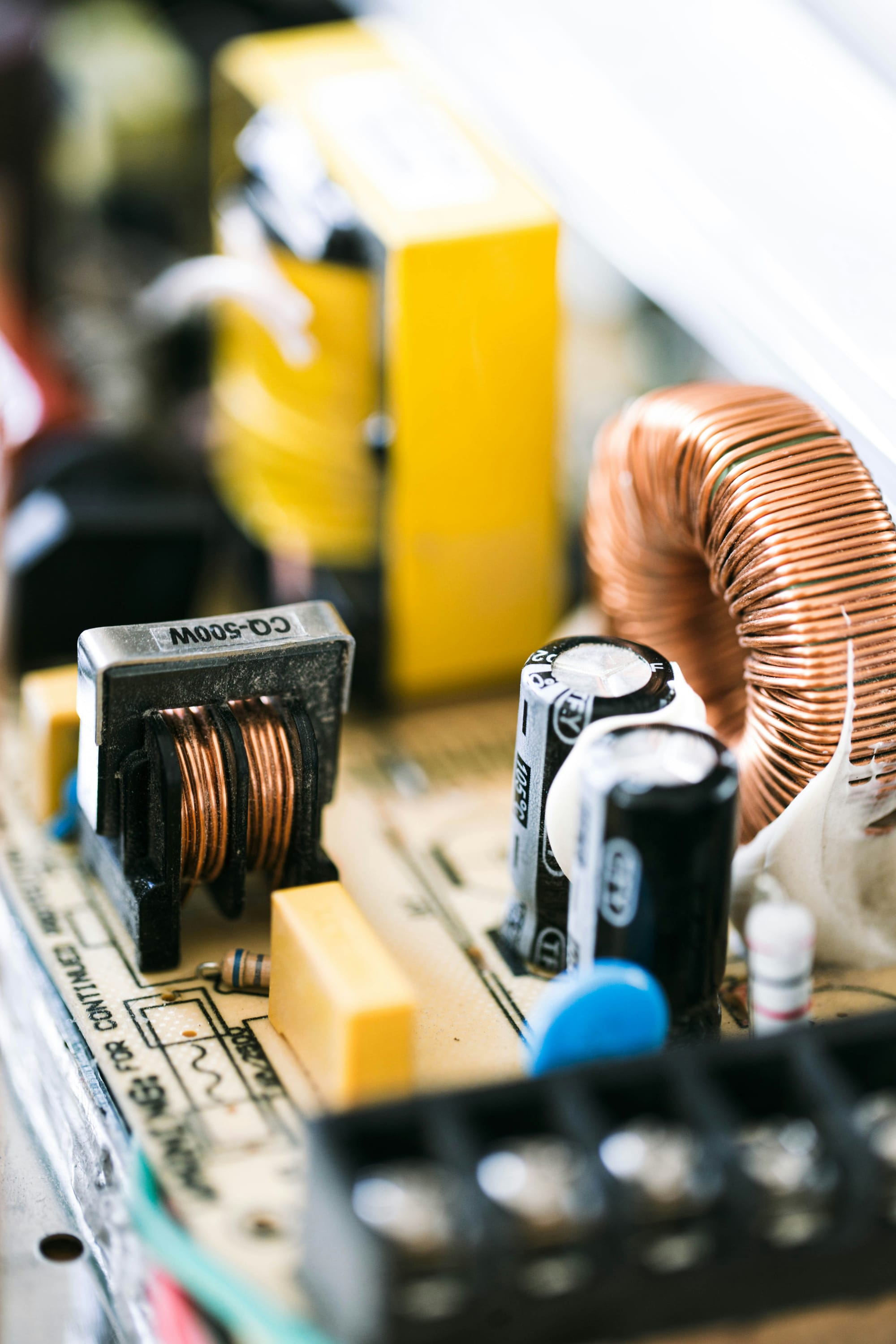
A LED driver is an electronic device that regulates the power delivered to an LED or an array of LED lights. It performs two critical functions:
- Rectification and Regulation: It converts the incoming Alternating Current (AC) power (standard household electricity) into the Direct Current (DC) power that some LEDs require.
- Current Control: It limits the amount of current that flows through the LED. Too much current in a LED will cause it to overheat and fail prematurely, while too little current will result in a very dim light.
Why do I need a Driver?
- Voltage Fluctuation: Standard line voltage (e.g., 120V AC, 230V AC) fluctuates and is too high for low-voltage LEDs. The driver ensures a stable, appropriate voltage. The voltage the LED light runs on should be advised on the packaging or the website you are purchasing it from.
- Thermal Runaway Prevention: As a LED heats up, its forward voltage decreases, which can cause the current to increase if the voltage is unregulated. This cycle is called thermal runaway and it can destroy the LED. Drivers actively regulate the current to prevent this.
Types of LED Drivers
LED drivers are categorized by the method they use to control the LED's power. The two types are listed below:
1. Constant Current (CC) Drivers
- Output: These provide a fixed output current which is measured in Amperes or milliAmperes, e.g., 350mA, 700mA. They also have a range of output voltages.
- Application: Used for LEDs wired in a series circuit, where every LED receives the same current. This is the most common and preferred type of driver for high-performance LED lighting.
2. Constant Voltage (CV) Drivers
- Output: These drivers provide a fixed output voltage which is measured in Volts, (typically 12V DC or 24V DC) and hold a maximum output current.
- Application: Used for lighting systems where multiple LED modules (often strips or arrays) are wired in parallel, and each module has its own built-in current-limiting resistor.
Comparison of Driver Types
Key Specifications and Selection Criteria
When selecting an LED driver, several specifications must be matched to the LEDs they power:
1. Current/Voltage Output
- For CC Drivers: The driver's output current (e.g., 700mA) must match the forward current (I_f) rating of the LEDs. The driver's output voltage range (e.g., 15V-30V) must accommodate the total forward voltage (V_f) of the LED string.
- For CV Drivers: The driver's output voltage (e.g., 24V DC) must match the required input voltage of the LED load.
2. Wattage (Power)
- The driver's maximum output wattage must be greater than the total wattage required by the LED array of lights. It is standard practice to use a driver that has a 10-20% advised higher wattage to ensure reliable operation and to minimise the risk of the driver being overcharged.
3. Input Voltage
- This must match the line voltage available where the light will be installed (e.g., 120V AC or 230V AC). This will almost always be 240v within the UK.
4. Dimming Capability
If you are looking to dim your lights, the driver must support a dimming protocol. Common types of dimming include:
- TRIAC/Phase-Cut Dimming: Dims using standard wall dimmers (leading-edge or trailing-edge). This is common in residential settings.
- 0-10V Dimming: A low-voltage control signal (0-10V DC) is used to tell the driver how bright to be. This is common in commercial settings.
- DALI (Digital Addressable Lighting Interface): A digital protocol that allows for complex, addressable lighting control.
- PWM (Pulse Width Modulation): The driver rapidly switches the LED on and off to control brightness.
Created by Adonia Watt on 18th February, 2026
Author
| | Adonia WattI have worked as a customer service representative at BLT Direct since 2018. My skills and knowledge have continued to develop from this point leading me to making contributions on the website. |


Louise Graham
7th October 2026
Excellent customer service throughout and great products
Tammy Fernando
7th October 2026
Great service! Really supportive of all my questions in my journey to go from LED (bad for our health) to incandescent lighting. Thank you so much! Tammy