Loading basket...



What is the difference between warm white, cool white, and daylight LEDs?
Warm white; cool white and daylight are terms given to different shades of light emitted from all lighting technologies including LEDs. These terms are referred to as the colour temperature of light which is measured in Kelvin. This would be shown on the box or the light as a “K”. Warm white would be labelled as 2700K-3000K; cool white as 4000K and daylight would be labelled as 6000-6500K. This determines the appearance of the light ranging from a warm glow to a bright and crisp white.
Warm white (2700K–3000K): Warm white light has a soft, yellowish tone which is similar to incandescent and halogen bulbs. It helps to create a cosy and relaxing atmosphere and it is an ideal colour temperature for:
- Living rooms
- Bedrooms
- Restaurants and hospitality settings
This type of lighting is best for spaces where comfort and ambience are prioritised over brightness.

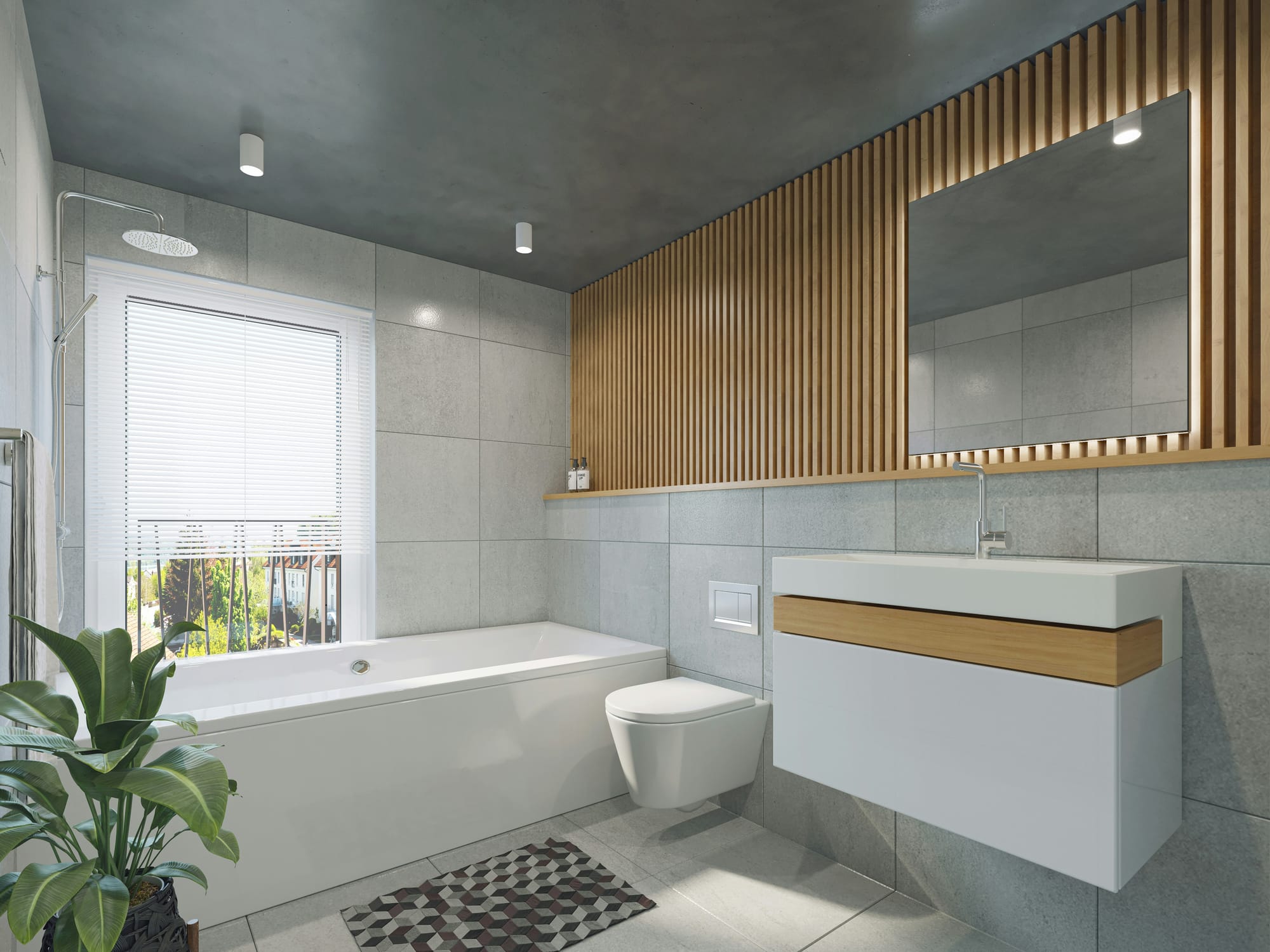
Cool white (3500K–4500K): Cool white light is brighter and a more neutral light which has a slightly bluish tone. It provides a clean, modern look which contributes to visual clarity. It is commonly used in:
- Kitchens
- Bathrooms
- Offices
Cool white offers a balance between comfort and functionality. It is recommended for areas where tasks are performed but a softer feel is still desired from the light.
Daylight (5000K–6500K): Daylight LEDs produce a crisp, blue-toned white light that closely mimics natural daylight. This type of lighting is ideal for:
- Garages and workshops
- Retail displays
- Medical or clinical environments
It greatly enhances visibility and detail which makes it perfect for working and precision tasks.

Choosing the right colour temperature will depend on the purpose of the room you are wanting to use the light for. A kitchen for example may benefit from cool white or daylight for clarity, while a bedroom or living room is better suited to warm white for relaxation.
It’s also important to maintain consistency within a space by matching the colour temperatures of each light within. Mixing different colour temperatures can create an uneven and visually uncomfortable environment.
To conclude - Warm white offers a warm and cosy light recommended for living areas and hospitality environments. Cool white offers a balanced light between cool white and daylight, this would be recommended for us in a kitchen or bathroom. Lastly daylight is a crispy blue toned white light which is recommended for task lighting making it useful for retail displays and other work based areas.
Created by Adonia Watt on 7th May, 2026
Author
| | Adonia WattI have worked as a customer service representative at BLT Direct since 2018. My skills and knowledge have continued to develop from this point leading me to making contributions on the website. |


Louise Graham
7th October 2026
Excellent customer service throughout and great products
Tammy Fernando
7th October 2026
Great service! Really supportive of all my questions in my journey to go from LED (bad for our health) to incandescent lighting. Thank you so much! Tammy