Loading basket...



Why Are My LED Lights Dim?
LED lighting is known for its efficiency, brightness, and reliability. However, sometimes users experience problems with their LED lights appearing dim. This can be frustrating, especially when the cause of this happening is unclear. There are several common causes of dim LED lights that can be resolved fairly easily. We will go through these causes within this FAQ.
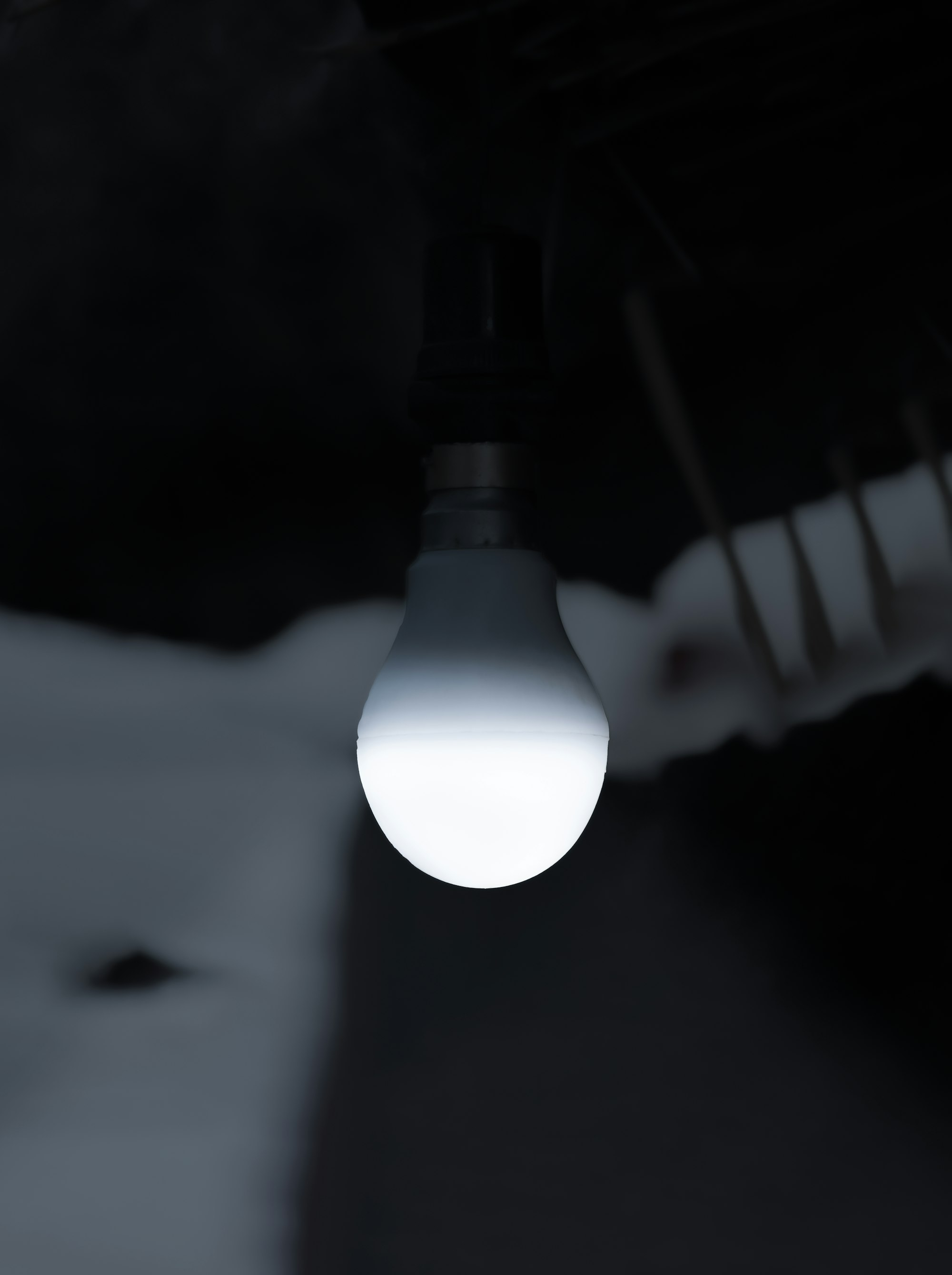
One of the most common reasons as to why LED lights can appear dim is that they are being used with incompatible dimmer switches. Many older style dimmer switches were made to be used with incandescent or halogen bulbs. Because of this they do not always work properly with modern LED lights. As LEDs consume much less power, these older style dimmers may struggle to regulate them correctly because they are used to regulating a larger wattage. An incompatible dimmer switch can result in the LED light flickering, buzzing or having limited brightness. In many cases replacing the old dimmer switch with an LED-compatible one will solve the issue immediately.
Another possible cause could be using a low quality LED bulb. Not all LEDs are manufactured to the same standards. Cheap or poorly made bulbs may produce a lower brightness than advertised or they can degrade quickly over time becoming dimmer than they were when they were initially purchased. This is called lumen depreciation. High quality LEDs made from reputable manufacturers will usually maintain their brightness for many years.
Voltage fluctuations can also affect LED brightness. If the electrical supply to your property is unstable this can cause LEDs to perform erratically. This is particularly common in older buildings that have outdated wiring or overloaded circuits. Loose connections, damaged wiring, or faulty fixtures can reduce the power reaching the LEDs which will cause them to appear dim. If multiple lights are appearing dim it may be worth consulting a qualified electrician to inspect the electrical system.
Incorrect transformer compatibility is another frequent issue with LED lighting. This is especially relevant for low voltage LED spotlights replacing older halogen systems. Halogen transformers often require a minimum electrical load in order to operate correctly. Since LEDs use far less power this can lead to the transformer not functioning as it should due to the reduced load. Replacing the transformer with an LED compatible driver or transformer will almost always be the solution to fixing this issue.
Heat can impact the performance of LEDs as well. Although LEDs produce less heat than halogen bulbs, excessive heat buildup can still damage the internal components and therefore reduce their brightness. Poor ventilation or enclosed fixtures without adequate airflow may cause LEDs to overheat. If you are looking for a LED light to use in an enclosed fitting you should make sure that it advises it will be suitable for an enclosed fitting.
If you have had the bulb for some time it may become dim due to its age. Ageing LEDs can naturally become less bright over time. Although LEDs last much longer than traditional bulbs they do not maintain their full brightness forever. If you have purchased a high quality LED bulb they should not lose their brightness until they have been used for many thousands of hours. A LED bulb may still function after 25,000 hours but the light produced will be noticeably less light than when it was new.
Choosing the incorrect bulb can also be a problem. Some people replace their halogen bulbs with low wattage LEDs expecting identical brightness without checking the lumen ratings. Comparing lumens rather than wattage when changing between any type of lighting technology is essential - especially when selecting LED replacements. If you are replacing a 50W halogen spotlight for example you should choose a 5W-7W LED light. Choosing anything lower will very likely appear dimmer than your previous bulb.
If you are experiencing dim LED lights your first step should be to identify whether the issue affects one bulb, one fixture, or multiple lights throughout the property. Doing this can help to narrow down whether the problem relates to the bulb itself; the fixture, the wiring, or the overall electrical system.
To summarise - Dim LED lights can almost always be resolved by upgrading dimmer switches; replacing incompatible transformers, choosing higher-quality bulbs, or correcting electrical issues.

Created by Adonia Watt on 21st May, 2026
Author
| | Adonia WattI have worked as a customer service representative at BLT Direct since 2018. My skills and knowledge have continued to develop from this point leading me to making contributions on the website. |


Louise Graham
7th October 2026
Excellent customer service throughout and great products
Tammy Fernando
7th October 2026
Great service! Really supportive of all my questions in my journey to go from LED (bad for our health) to incandescent lighting. Thank you so much! Tammy